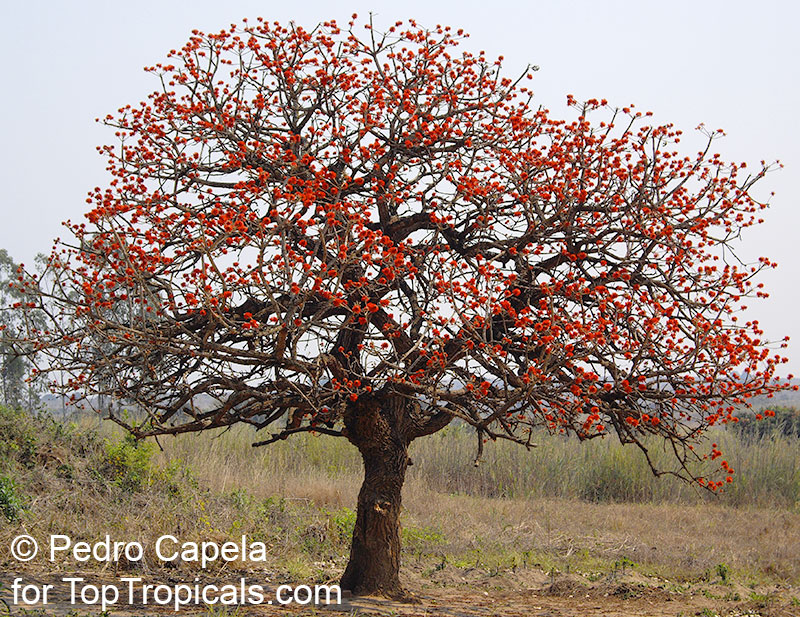
Umuvumu
Ecologically, the Umuvumu plays a vital role in maintaining biodiversity. Its extensive root system helps prevent soil erosion, while its canopy creates microhabitats that support diverse flora and fauna. The tree’s resilience and adaptability make it a cornerstone of many ecosystems, ensuring stability and balance in the environment.
Culturally, the Umuvumu holds deep significance in Rwanda. Traditionally, communities gathered under its shade for meetings, ceremonies, and storytelling, making it a symbol of unity and resilience. In many local traditions, the tree is considered sacred, embodying values of protection and continuity across generations.
Medicinally, parts of the tree are used in herbal remedies. The bark and leaves are applied to treat stomach ailments and infections, while the latex has been used cautiously in traditional medicine. Despite its widespread use, the species is classified as Least Concern on the IUCN Red List, highlighting its abundance but also underscoring the importance of preserving its ecological and cultural roles for future generations.