 Trees
30
Trees
30
Ficus thonningii, commonly known as Umuvumu, is a large fig tree native to East Africa and widely recognized for its broad canopy and aerial roots. It thrives in open landscapes, providing shade and shelter, and is often considered a keystone species due to its ecological importance. Its fruits serve as a critical food source for birds, insects, and small mammals, especially during dry seasons when other resources are scarce.
 Trees
39
Trees
39
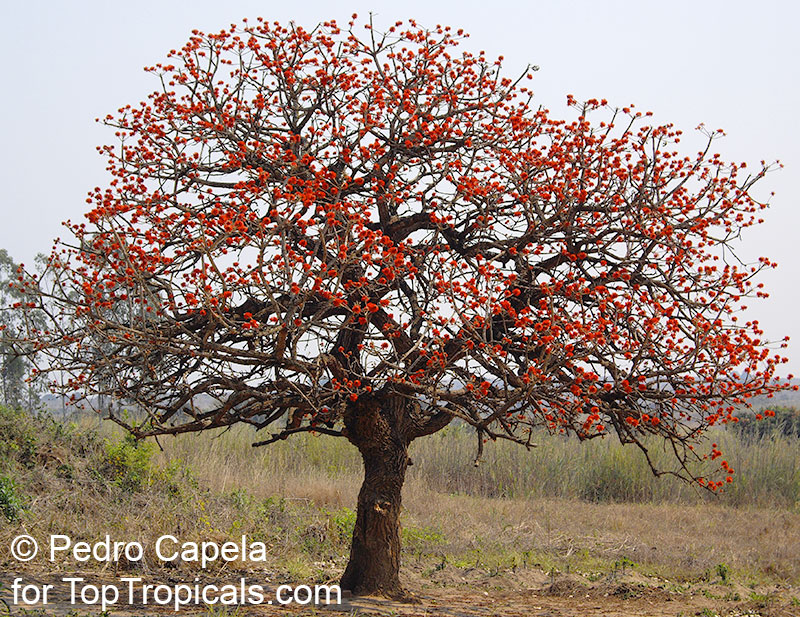
Erythrina abyssinica (Umuko) is a medium?sized tree belonging to the Fabaceae family. It grows between 6–12 meters tall with a wide crown that provides shade. Its rugged bark and spiny branches give it a distinctive look, while its spectacular red?orange flowers bloom from late winter to early summer, attracting birds, bees, and other pollinators.
 Trees
33
Trees
33
Acacia trees are resilient, drought?tolerant species widely found across Rwanda’s savanna landscapes and restored areas like Nyandungu Eco?Park. Known for their distinctive feathery leaves and protective thorns, they enrich soils through nitrogen fixation, provide shade, and support diverse wildlife. Beyond their ecological role, acacias hold cultural and economic importance in Rwanda, valued for fuelwood, fencing, and gum, while also featuring in traditional medicine.
This hardy perennial is famous for its large, daisy-like flowers featuring droopy pinkish-purple petals and a distinct, spiky golden-brown central cone. Native to central and eastern North American prairies and open woodlands, it is a pollinator magnet for bees and butterflies. Finches love to feast on the seeds in the fall.
Yushania alpina, commonly known as African alpine bamboo, is a fast?growing grass species found in Rwanda’s highland ecosystems and restored areas like Nyandungu Eco?Park. Its strong root system makes it vital for soil conservation and erosion control, while its tall culms provide habitats for birds and insects. Beyond its ecological role, bamboo is deeply woven into Rwandan culture through crafts, construction, and traditional practices, and it also carries medicinal value in herbal remedies.
Fly Agaric Mushroom. Source: Andrés Pérez Wittmann / Getty Images
Elephant Grass (Pennisetum purpureum) is a tall, fast?growing perennial grass native to Africa. It is easily recognized by its long, blade?like leaves and dense clumps that can reach several meters in height. Its adaptability to different soils and climates makes it one of the most widely cultivated grasses in tropical regions.
 Grasses
29
Grasses
29
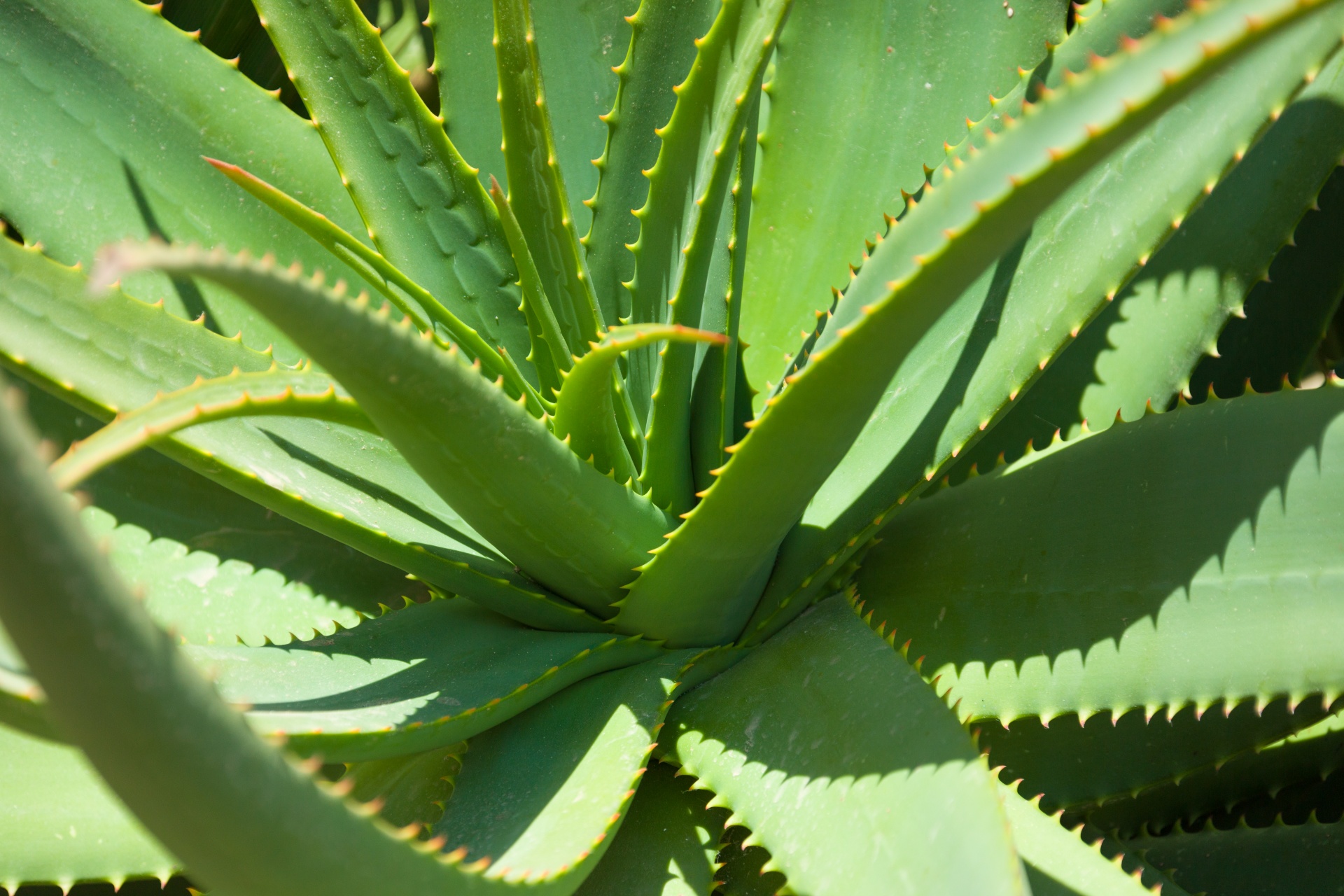
Aloe vera is a medicinal succulent widely recognized for its healing gel. It has been used for centuries to treat burns, wounds, and skin irritations, making it one of the most famous plants in traditional and modern medicine. Its evergreen nature and ability to thrive in dry conditions make it a resilient species that requires minimal water.
Vernonia amygdalina, locally known as Umubirizi, is a perennial shrub native to tropical Africa. It is easily recognized by its green, bitter leaves and woody stems. The plant thrives in a variety of soils and climates, making it a resilient species that is widely cultivated and used across Rwanda and other African countries.